Next Up: Gloria Coles Flint Public Library Director Desmond London
Join us at the Food Bank this Friday, September 25, at noon!
A Moment in History, 350 Years Ago, Revisited
by Elizabeth Jordan
There are some moments in history that set in motion a series of other things which, in retrospect, prove pivotal. One such event was 350 years ago this week.
On September 19, 1676, a man named Nathaniel Bacon led a group of armed men that burned down Jamestown, the colonial capital of Virginia. The rebels wanted the colonial government, which they saw as corrupt and out of touch with the needs of landless settlers, to support them in violently taking more land from the indigenous people who lived there. (This article shares more about that part.)
There was something very important about the composition of the armed rebels. The group included people from different racial groups-- including previously indentured white folks, free Black folks, and enslaved Black people-- working together out of a shared class-based demand. Noting the very problematic nature of their motivation (forcing out indigenous people to take their land), this united front created fear among the colonial elites. In response, Virginia took a series of actions designed to drive a wedge between Black and White people, manufacturing an enduring sense of racial hierarchy. This was done by creating laws that entrenched race as a concept in a whole new way. This included:
Defining enslavement as an inheritable, perpetual condition unique to Black people
Requiring White men to participate in slave patrols, which helped create a white racialized identity linked with sense of higher status and control
Outlawing interracial marriage, intended to separate humans into distinct social groups
Changing law and custom to tie legal status to the mother rather than the father, which created an economic incentive for enslavers to rape enslaved women as a means to increase their "property."
The minting of whiteness as a new form of identity gave them social and legal currency compared to Black people-- and a reason to buy into the system-- even as they continued to be excluded from economic prosperity. And, it made it harder to organize across newly deepened racial lines.
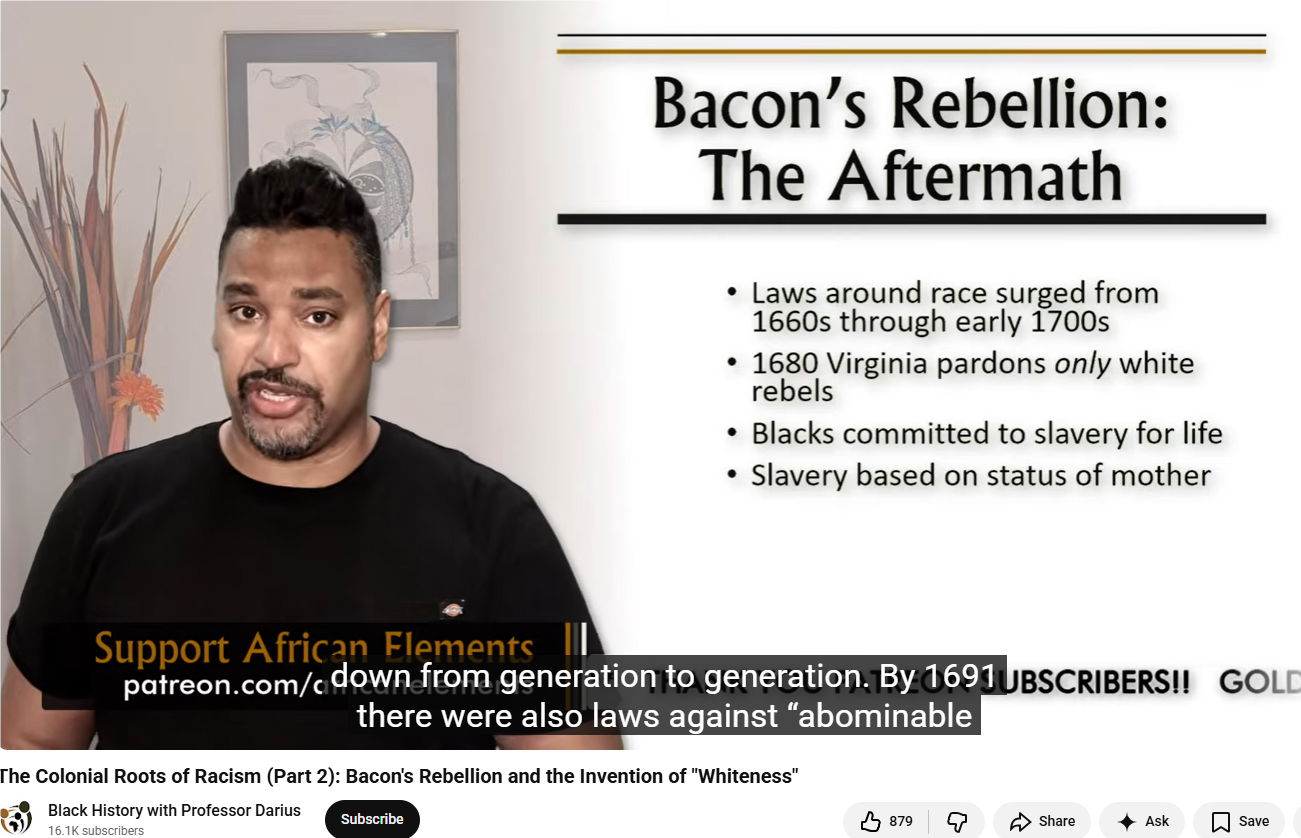
It would be easy to think that racial categories were always there, but they were created by people for a particular purpose. Looking more closely at Bacon's Rebellion offers insight into where some of the ideas that continue to shape our world came from. There's a lot more to explore: Check out this 12-minute video for more.
October is Just Around the Corner...
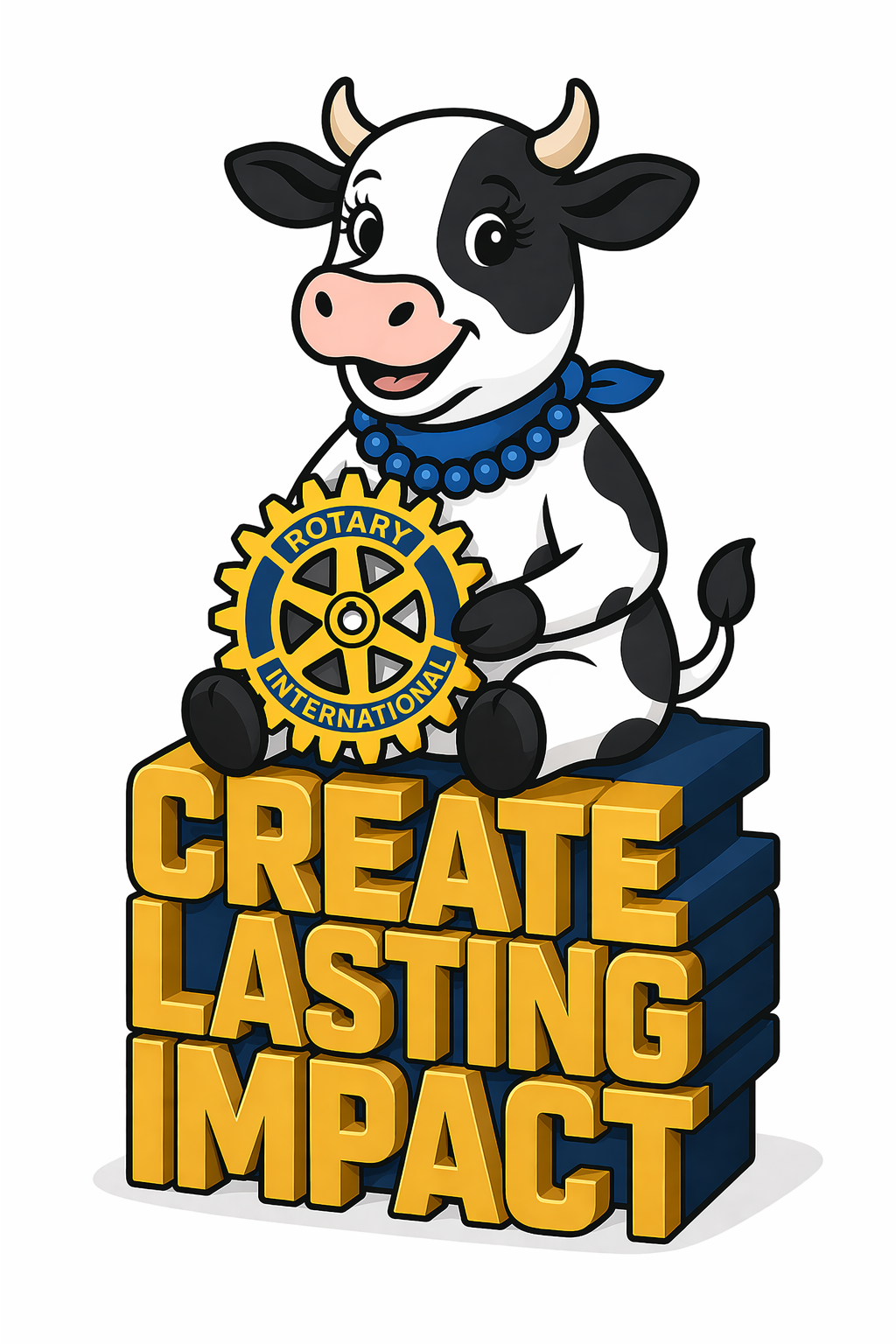
And that means that World Polio Day is coming on October 24. Join with us in the effort to eradicate polio- take on President Yinka's "Coco Challenge" in partnership with Rotarians across District 6330! Coco the Cow is the District 6330 Ambassador of IMPACT.
When given the inaugural Coco at the President Elect Learning Seminar in Kalamazoo Michigan, then Rotary International President Elect Yinka Babalola issued a challenge -How much will we give to the Polio fund for every country that he visits with Coco?